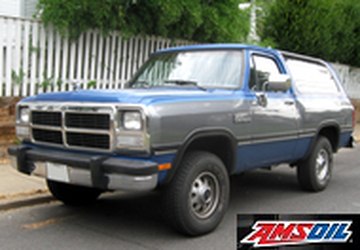
Maintaining Lubrication Standards for the 1981 Dodge Trucks RAMCHARGER 5.2L
Owning a classic vehicle like the 1981 Dodge Trucks RAMCHARGER requires a shift in mindset from modern automotive maintenance to a more observant, condition-based approach. With the 5.2L engine at the heart of this vehicle, ensuring that the lubrication system is functioning correctly and receiving the appropriate fluids is a primary responsibility for any owner looking to preserve mechanical integrity.
Monitoring Fluid Integrity and Condition
Regularly checking the state of your engine oil is one of the most effective ways to monitor the health of the 5.2L engine. Rather than relying solely on mileage, an observant owner looks for physical changes in the lubricant that might indicate underlying issues. When performing a routine check, pay close attention to the following:
- Color and Clarity: While oil naturally darkens as it accumulates contaminants during use, extreme discoloration or a milky appearance can be a sign of moisture or other fluid contamination.
- Consistency: The texture of the oil should remain relatively uniform. Any significant grit or unexpected particulate matter suggests that filtration may be compromised or that internal wear is occurring.
- Odor: While some scent is normal, an unusual or pungent smell can sometimes indicate that the lubricant has been subjected to extreme thermal stress or has been contaminated by other engine fluids.
If you notice any significant changes in how the oil looks or smells, it warrants a thorough investigation. These symptoms are often non-specific and can be associated with various factors, ranging from simple aging of the fluid to more complex mechanical concerns.
Observing Potential Warning Signs
Maintaining a 1981 Dodge Trucks RAMCHARGER involves being proactive about identifying signs that require attention before they escalate into larger repairs. Because older engines operate under different tolerances than modern ones, recognizing subtle changes is key. If you observe any of the following, it is advisable to schedule an inspection:
Visible fluid seepage or leakage around the engine block or sealing surfaces should be monitored closely. While some degree of seepage is common in older vehicles, active leaks can lead to unexpected oil levels and potential damage. Additionally, keep an eye out for any unusual mechanical noises that coincide with engine operation. Such sounds may indicate that lubrication is not reaching critical components effectively.
It is also important to monitor the vehicle's temperature. Evidence of overheating can be directly related to how well the engine is managing heat, which is partially influenced by the quality and level of the lubricant. Always remember that a single symptom, such as an unusual noise or a small leak, can have multiple causes; therefore, professional diagnosis is often necessary to pinpoint the exact source of a problem.
Prioritizing Long-Term Engine Care
As a vehicle ages, maintenance priorities naturally shift. For a 1981 RAMCHARGER, effective long-term ownership involves moving away from "set it and forget it" mentalities and toward a strategy based on the current condition of the machine. If you do not have a complete service history for the 5.2L engine, your first priority should be establishing a maintenance baseline.
This can be done by performing a comprehensive inspection of all fluids, belts (if equipped), and hoses. Once you understand the current state of the vehicle, you can begin keeping detailed records of every oil change, filter replacement, and repair. Documenting these events allows you to track patterns—such as how quickly the oil is being consumed or how often certain seals need attention—which helps in making informed decisions about future service.
When deciding where to direct your maintenance budget, address active leaks or visible warning signs first. Distinguishing between necessary preventive maintenance and the unnecessary replacement of parts that are still in good condition is a hallmark of a disciplined owner. Use the current physical evidence provided by the vehicle to guide your actions rather than making assumptions based solely on the age of the components.
Inspecting Aging Components and Seals
The materials used in 1981, including various gaskets and rubber-based seals, are subject to the effects of time and thermal cycling. During routine service, it is beneficial to perform a visual inspection of accessible areas for signs of age-related deterioration. This includes looking for evidence of seepage around sealing surfaces or checking the condition of any visible hoses and electrical connections.
If your vehicle is equipped with various drive belts, inspect them for signs of cracking, glazing, or fraying. While these components are not always directly related to the lubrication system, their condition is a vital part of overall engine bay health. Similarly, ensuring that the air filtration system is clean and that electrical connectors are secure can prevent secondary issues that might otherwise complicate your maintenance routine.
Selecting Lubricants for Older Engines
When it comes to choosing an oil for a 1981 Dodge Trucks RAMCHARGER, there are several formulations available in the modern market. Some owners may consider conventional oils, while others look toward synthetic blends or full synthetic options. Additionally, some high-mileage oil formulations contain additives intended for use in aging engines, including seal-conditioning additives that may assist in maintaining the integrity of older gaskets.
The choice between these types often depends on your specific driving habits and how you intend to use the vehicle. However, regardless of the formulation type you choose, the most critical factor is ensuring the lubricant meets the application requirements for this specific 5.2L engine. Always verify that any product you select aligns with the technical data provided for your exact model year and engine code.
Practical Advice for BUYING ENGINE OIL for your 1981 Dodge Trucks RAMCHARGER 5.2L
To ensure the longevity of your engine, you must match the engine oil to the application-specific viscosity information shown on this page. Do not rely on general automotive knowledge or assumptions based on the vehicle's age to determine which grade to purchase. Instead, use the specific viscosity and application details provided in the technical data section above to guide your selection.
When you are ready to make a purchase, check the product labels carefully to confirm they meet the necessary standards for your engine. Whether you decide on a conventional, synthetic blend, or high-mileage formulation, the priority remains finding a lubricant that adheres strictly to the specifications listed for this 1981 Dodge Trucks RAMCHARGER 5.2L. By following the application-specific information provided here, you can ensure that your lubrication choices are both accurate and effective.